
Growing up isn’t easy. Life throws plenty of challenges our way and we seldom get things right on the first try.
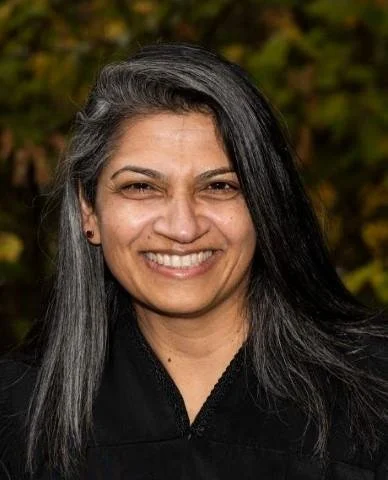
But in a sense, those moments of struggle are exactly what the Strophy Foundation and Thurston County’s Therapeutic Courts are designed for. When folks stumble, there’s a caring team ready and willing to help them find solid and secure footing again. But, as the saying goes, the journey of a thousand miles begins with a single step.
In April 2007, Judge Indu Thomas was assigned to preside over the Family Recovery Court and Juvenile Drug Court programs as a new Court Commissioner. She recalls that in those days, the Strophy Foundation only worked with the existing Adult Drug Court program “but did not provide support to the smaller and similarly impactful programs which were in place at the time.”
She explains that she and Judge Paula Casey approached the Strophy Foundation’s board a few months later. They hoped to expand in-place bylaws to include Family and Juvenile Court therapeutic courts. “I was impressed with the board members and their commitment to the therapeutic court model,” remembers Thomas. The changes were soon adopted and over the past 18 years, Thomas has crossed paths with many later board members and even served as an ex officio member herself.
However all along, the Foundation’s underlying purpose has remained unchanged—and equally vital—alongside the judicial system. “The Strophy Foundation provides critical supports to the participants in our court programs,” says Thomas. “The court is extremely limited in in its ability to provide concrete good and supportive services. The Foundation has paid for incentives, fees for educational programs, and a range of other non-legal supports critical to recovery.”
As with any long-term project, there have been growing pains. Thomas says that in the beginning, provided training, support, and guidance weren’t streamlined or seamlessly accessible. Today they receive annual best practices training grounded in current research as well as continued access to online materials outside of these sessions.
And this is true nationwide. Therapeutic courts across the country have benefitted from the publication of national standards, explains Thomas. Early models in the 1980s “combined treatment and accountability into a more compassionate and collaborative approach in court,” she says. “Today’s model has evolved such that we now address the holistic needs of individuals through a public health and rehabilitative lens. Therapeutic Courts continue to bring treatment and justice system partners together to collaborate but now we seek to understand and remove barriers and set people up for success.”
But, as we’ve noted before, growing up isn’t easy. Participants must work hard and put in the effort or face strict consequences. But, says Thomas, “I think people would be very surprised to learn how many among us have struggled with addiction and are thriving in our community after having graduated from one of these programs.”
Whatever changes may come to the legal or judicial systems, believes Thomas, “the long-term transformative work that therapeutic courts do is empowered by the tools, resources, and concrete goods that are needed for the hard work of recovery to begin. Every partner is important to the court’s ability to continue to provide therapeutic courts. I am grateful for the ability to reach out to the Strophy Foundation for immediate resources when a participant cannot see how to apply the skills in the real world without those concrete goods.”
Because, she says, empowerment may be the ultimate goal, but without immediate and tangible help, people can’t move forward. And those are key lessons we all learn growing up: how to ask for help, accept it when given, and give back to others in gratitude. Just like Judge Thomas.